Wednesday, December 8, 2010

Adult Conversation to Improve Teaching and Learning

I've been doing a lot of work in Oregon where I work with the principals involved in the Oregon GEAR UP Program. The project includes twenty middle and high schools, primarily in rural communities. I've really enjoyed the opportunity to work in these schools and am impressed by the commitment of teachers and principals to the success of their students.

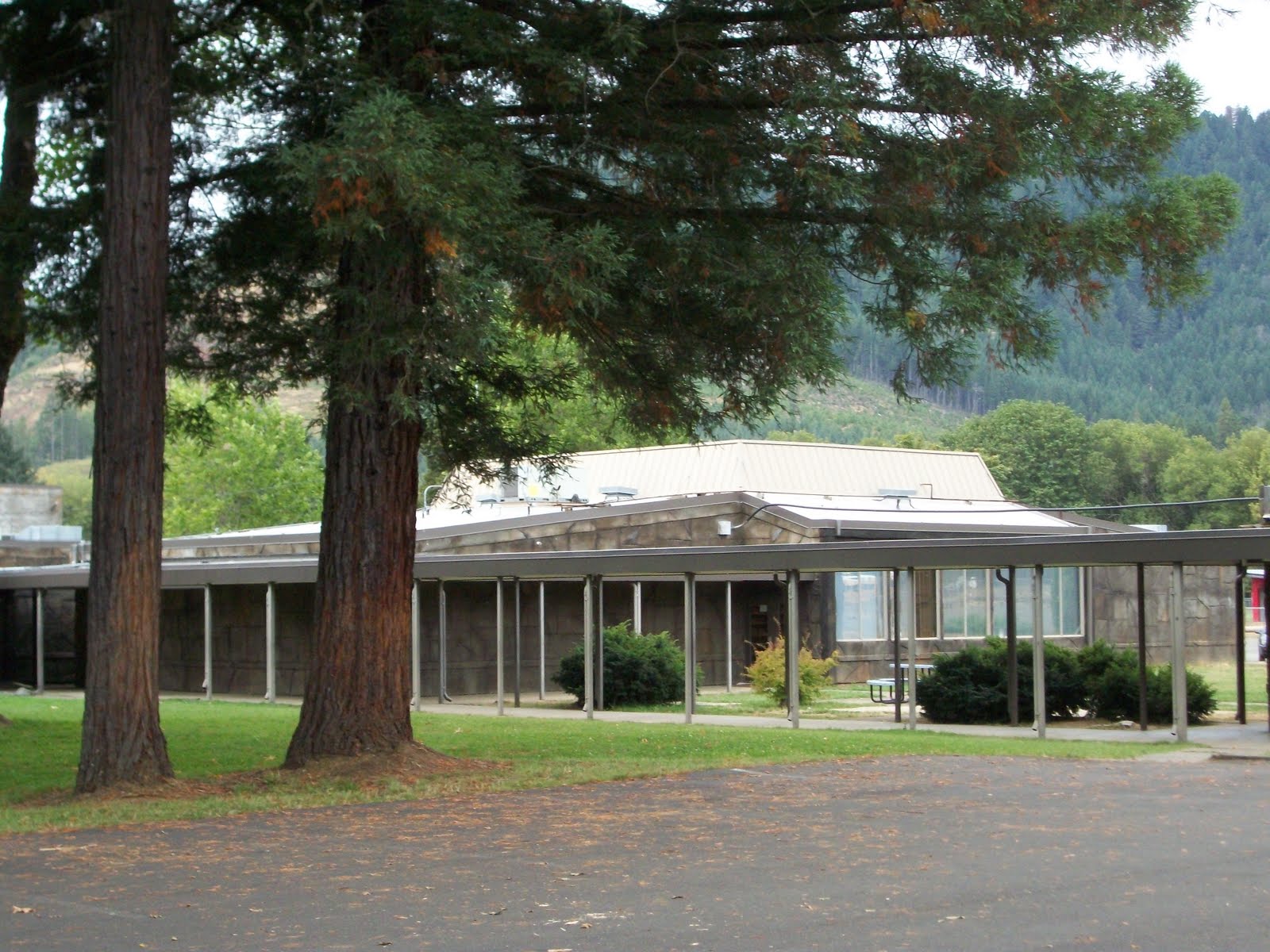
One of the things every principal is looking for is a tool that can be used to promote professional conversation among the staff and positively impact student learning. At La Pine Middle School in La Pine, OR principal Jim Boen and his staff have adapted lesson study, first used in Japanese schools. A multi-disciplinary group of teachers work together to design a lesson, teach it while other members observe, critique the lesson and make modifications based on the critique. This process has raised the level of professional discourse at the school.

There are other structural ways to promote similar conversation. They include organizing learning walks, working together to look at student work, and organizing a book study or lesson study group. Information about each of these options is available at my website (www.ronwilliamson.com/RW_Web/Inst_Leadership.html).

I'd enjoy hearing from you about your experience with these options or about other ways you use to promote conversation about improving teaching and learning.

Sunday, November 21, 2010

Collaborative Tools

Recently in my principalship class I asked students to prepare a statement of their personal vision for their school. They shared the vision with a small work group and then had to present the vision during a simulation in class. One of the requirements was that they use one collaborative tool to gather feedback from the "faculty" in their simulated school.

We talked about the importance of this type of collaboration and how it signals the principal's investment in building shared ownership and vision.

Building a repertoire of collaborative tools that principals can use to work with teachers, staff, families and community is an important skill. I've put together a set of collaborative tools that are available on my website (www.ronwilliamson.com).

I'd enjoy hearing from you about other collaborative tools that you've used in your school.

Sunday, November 7, 2010

Addressing College Readiness

In a recent study from ACT more than 80% of students said they planned on attending college or some form of post-secondary education. But many students and their families don't do the planning necessary to realize that goal.

Several studies have identified the components of a comprehensive college readiness program. They agree on four major activities:
  • Take the Right Courses - Assure that students are taking the right courses to gain college admission. This includes taking high-level courses in middle school so that they have access to advanced courses in high school.
  • Develop Cognitive and Metacognitive Skills - While taking rigorous courses is important, students also need to develop the cognitive and metacognitive skills that will be needed to succeed in college. These include things like intellectual openness, inquisitiveness, reasoning, argumentation and proof, precision and accuracy and problem solving (Conley, 2007). Such skills are embedded in nearly all college courses.
  • Surround Students with Support for College Attendance - Assure that every student is expected to develop a postsecondary plan. Surround them with caring adults who provide the mentoring and support necessary to achieve the plan and build support for their college aspirations.
  • Plan for College Costs - While most families believe college education is important many are uncertain about the costs or how to manage the costs. Developing a plan to pay for college is a critical part of planning.
There are three helpful resources that provide greater detail on this issues. I hope you find them useful.

Transition from High School to College

College Readiness Begins in Middle School (2005)


Friday, October 29, 2010

Shared Accountability for Students

I believe that students share accountability for their own learning. They must be actively involved in their own learning, have an opportunity to make decisions about their learning, and be responsible for asking questions, being clear about their work and completing assignments.

But they have a right to know the expectations for their work and to know how their work will be assessed. In Rigorous Schools and Classrooms: Leading the Way (www.eyeoneducation.com), Barbara Blackburn and I identified some ways to support student accountability.
  • Provide exemplars for all work and rubrics that students can use to assess their success in completing assignments.
  • Adopt a grading policy of A, B, and Not Yet.
  • Provide opportunities for students to revise and resubmit work.
  • Include support and scaffolding in classroom instruction.
  • Include engaging instructional activities connected to real life.
  • Act consistently on the belief that each student can learn, will learn, and you power to help them do so.
  • Provide quality and timely feedback on student work.
I'd enjoy hearing from you about other ways that you build student accountability into your school or classroom.

Saturday, September 25, 2010

Conducting Successful Meetings

If you're like most principals you spend more time than you would like in meetings. Many are very productive and others are far less successful. There are several things you can do to immediately improve the meetings you lead.

First, it is critical to spend some time planning the meeting. Be clear about the purpose of the meeting. Be equally clear about what is being decided and who will make the decision. Also identify any meeting standards or norms. For example, a set of operational norms about how the group will work together can make a meeting more successful.

Second, develop an agenda that includes the following items: a clearly stated purpose or goal for the meeting, time to review agreed-upon operational norms and norms of collaboration, a clear statement for each agenda item about the action to be taken (e.g., discussion, decision), the allocation of time for each item, time for reflection and processing of information, and time at the end of the meeting to clarify what information should be shared and by whom.

Third, always be clear about operational norms. This includes seating arrangements, processes for group memory (recording discussion and decisions), guidelines for discussion (use of a parking lot), adequate time for discussion, clarity about when the group moves from discussion to decision-making, and methods for disseminating information. Bob Garmston and Bruce Wellman provide a useful set of norms at www.adaptiveschools.com.

Finally, be clear about how decisions will be made and by whom. If the group is deciding identify the process before it is time to make a decision. Consensus is often the preferred model but can be cumbersome. Many groups use some alternate like requiring agreement by 75% of the group, or using the "Fist to Five" model discussed in a blog entry on January 28, 2010.

Meetings can be a challenge. Because principals are involved in so many of them it is important that they be as successful as possible. I hope you find these ideas helpful and would enjoy hearing from you about your strategies for leading successful meetings.


Thursday, September 9, 2010

The First Day is Always Special

Last week my wife and I were in Seattle when one of my granddaughters began her first day of kindergarten. Such excitement and enthusiasm for learning! Her excitement was contagious and I found myself thinking about the more than 40 first days of school that I've experienced. They were always special.

At her school both students and parents were welcomed in many different ways. The day before people could visit the school, meet the teacher and become comfortable with the classroom. The morning of the first day the staff was very visible with lots of help for parents and students. The PTO provided coffee (it's Seattle!) and donuts. Teachers were available to talk with parents and greet students. And, of course, there were lots of opportunities for pictures.

But, once school began it was all business. Students were supported but the focus was clearly on learning while respecting the varied backgrounds and experiences of each student

Most importantly, our granddaughter came home excited about returning to school the next day. For me, that's the bottom line. I want my grandchildren to enjoy school and feel respected and supported by their teachers.

I hope all of you have a wonderful and productive school year. Remember the importance of making schools inviting and welcoming places whether you work in kindergarten or with seniors. Have a great year.

Wednesday, September 1, 2010

Activities for the New School Year Reflect School Culture

The beginning of the school year is an ideal time to shape and reinforce the culture of your school. Every school year is full of the promise of a new beginning as well as a measure of nervous anticipation. The principal is responsible for helping everyone feel safe and secure as they begin and setting the tone for the year.

In one Michigan school the year begins with the teachers and older students lining the hallways and clapping as the new students arrive. Another school posted the name and picture of every new student in the lobby.

Activities like this reflect the underlying culture of the school, the underlying values, beliefs and norms about how you "do business." It reflects the "unwritten rules" and assumptions that shape school routines. The culture is often transmitted from generation to generation as informal leaders and opinion makers talk with others and go about their work.

Successful principals recognize the power of culture to shape their school. They are skilled at linking everyday practices, like the way new students are welcomed, in ways that reinforce core values and the schools mission. Principals impact their school's culture in several ways:
  • What you pay attention to, measure and control becomes important;
  • Your reaction to critical incidents and events;
  • The way you model behavior and coach others;
  • The criteria you use to acknowledge others and allocate rewards;
  • How you go about recruiting, selecting and promoting staff.
The beginning of the school year is a unique time to reinforce your school's values and culture. I encourage you to think about the ways that your work can be used to promote a positive and healthy school culture. I'd enjoy hearing from you about how you work to strength the culture of your school.